Illuminating the Serious Costs of the Endangerment Finding Repeal
The Importance of Economic Analysis Rooted in Science
What happens when major environmental policy decisions are made without fully accounting for their consequences?
Earlier this year, the federal government rescinded the Endangerment Finding, the scientific determination that greenhouse gases endanger public health and welfare, and eliminated federal greenhouse gas standards for vehicles.
The effects of those changes will extend well beyond vehicle regulations. They can influence what we pay for transportation and energy, worsen air quality, endanger public health, and increase climate risk.
Resources for the Future (RFF) is working to make sure those consequences are understood.
Thanks to the support we receive from friends like you, RFF researchers are applying rigorous, independent analysis to one of the most significant environmental policy shifts in decades. Using state-of-the-art models of the transportation and power sectors, our experts are examining what these regulatory rollbacks mean for American households, communities, and businesses.
Already, our findings are significant.
New RFF research finds that repealing greenhouse gas standards for light-duty vehicles could impose more than $800 billion in net welfare costs through 2050, with increased fuel use and climate damages outweighing any savings from lower vehicle prices or other benefits of the repeal. These costs become larger after considering how increased air pollution affects public health, which RFF researchers will discuss in an upcoming report.
Related Links
- Losing the Endangerment Finding: Context, Methods, and What’s to Come
- Losing the Endangerment Finding: The Costs and Benefits of Repealing Emissions Standards for Light-Duty Vehicles
- If/Then: Repealing the Endangerment Finding Doesn’t Just Affect Domestic Climate Policy
- Evidence and Policy: Resources for the Future Responds to Proposed Federal Rules
Those costs are important. But so is the larger principle behind our work.
When policymakers make decisions with long lasting impacts, they need a clear picture of what those consequences will cost, who will benefit, and who will bear the risks. RFF provides that science-based analysis, wherever the evidence leads.
For nearly 75 years, RFF has helped decisionmakers navigate difficult questions about energy, the environment, and the economy. At a time of rapid policy change, our role is as important as ever, and your support makes our work possible.
As we prepare to celebrate Founders’ Day and 75 years of impact, please consider making a generous donation to RFF and helping ensure that rigorous, independent evidence remains part of the decisionmaking shaping our future.
Related Content
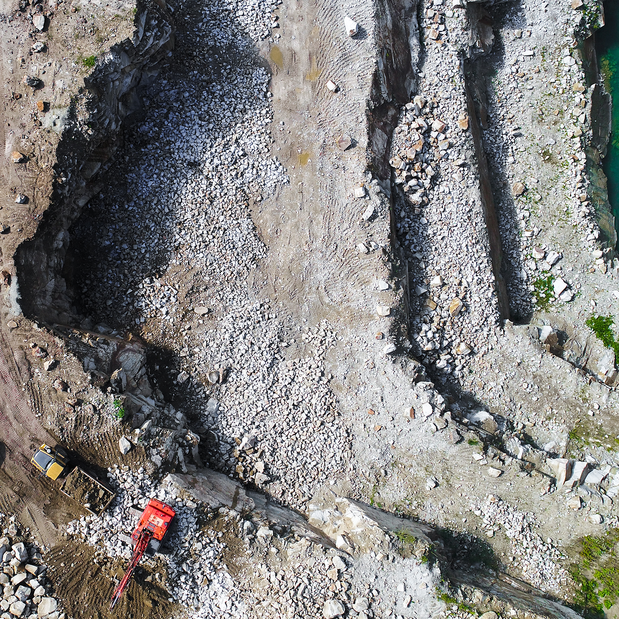
Powering the Critical Minerals Conversation
Resources for the Future (RFF) is expanding its focus on critical minerals and the economic and policy questions around their supply.

Helping Flood-Prone Communities Build Resilience
Resources for the Future is combining cutting-edge flood modeling with detailed property data and on-the-ground engagement to identify practical, nature-based approaches to reducing flood risk and improving community resilience.

Safeguarding Science for the Public Good
Resources for the Future has hired researchers formerly with the federal government, bringing deep expertise and helping us carry forward important work once housed within federal agencies.

Founders’ Day 2026
For more than 70 years, Resources for the Future has delivered rigorous, independent analysis that helps leaders evaluate choices, balance priorities, and shape policies that matter.