Critical Revenues: How Might Mining for Critical Minerals Contribute to Local Government Budgets in the US?
This article examines how critical mineral mining can contribute to local public finances, drawing on data from Arizona, Arkansas, California, Nevada, and Utah.
Abstract
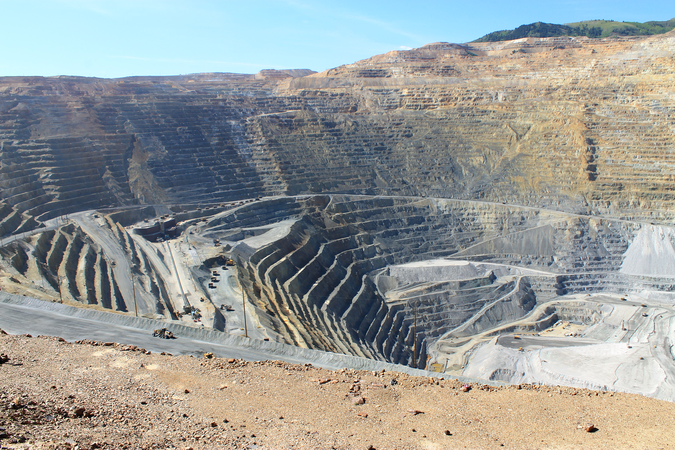
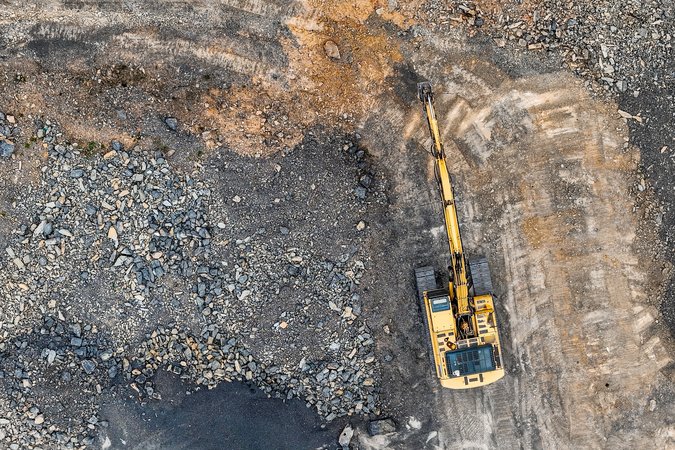
Policymakers in the United States are interested in boosting domestic supply chains for critical minerals used in the defense, technology, and energy sectors. If successful, this effort to increase mining and processing activities will have a range of environmental, social, and economic consequences for host communities. In this analysis, we examine whether and how the extraction of certain minerals provides benefits to host communities through tax revenues. We examine existing policies, mineral production data, and state and local tax data in Arizona, Arkansas, California, Nevada, and Utah. We find that mining contributes to local revenues in all states, but with wide variation, ranging from roughly 0.5 to 5 percent of the value of extracted minerals. Existing policy structures do little to mitigate against the risk of revenue volatility, creating the potential for “booms and bust” revenue cycles for host communities. We note that extensive data limitations limit transparency surrounding mining revenues, and also makes it difficult to understand the scale and scope of this issue nationally.