Remembering Paul Stolpman
Paul Stolpman was a brilliant leader, thinker, and longtime US EPA program manager who was dedicated to cleaning up the nation’s air.
Remembering a Prolific Public Servant
Paul Stolpman was a brilliant leader, thinker, and program manager who spoke truth to power, often shaded with his strong sense of humor. For more than 40 years, while at the US EPA and after retirement, he forcefully defended the public’s right to clean air. He was such a strong proponent of cleaning up the nation’s air that, in the first Reagan Administration, he was among the handful of people at EPA who were blacklisted by the White House.
Despite that experience, Paul’s dedication to clean air rose above political partisanship. Paul said he admired Administrator William Ruckelshaus, a lifelong Republican, because Mr. Ruckelshaus was willing to adopt strict emission controls for cars in the face of much opposition.
Paul trained as an environmental economist, at the University of Chicago and at the London School of Economics. But he believed that economic tools should be used in service of environmental laws and scientifically established health and environmental goals. Perhaps his principles derived from his early training in a Catholic seminary.
While at EPA, Paul worked on virtually every major Clean Air Act issue. During EPA’s early years, Paul was on the team that established the viability and effectiveness of catalytic converters. Paul told of flying in 1972 to the United Kingdom, where a company that had developed catalytic converters demonstrated that they worked in practice, thereby contradicting the testimony of US auto companies.
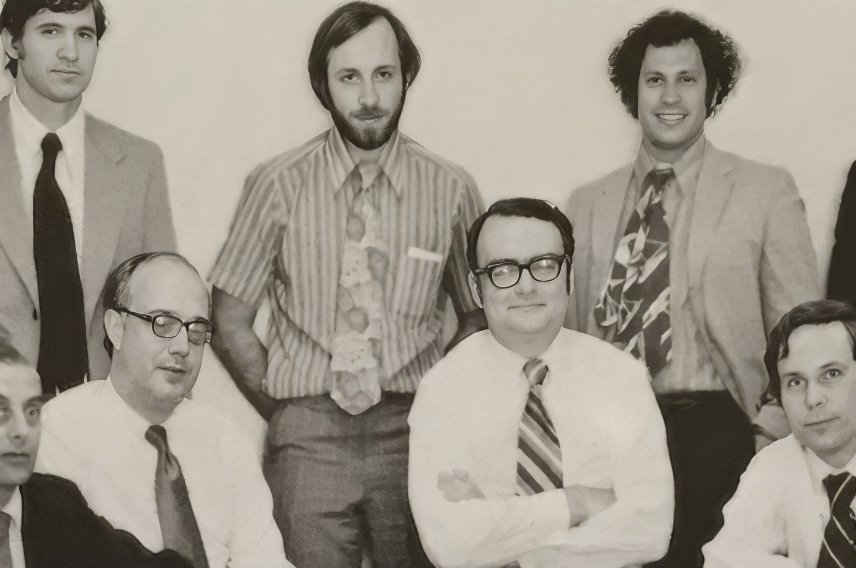
Paul Stolpman with former EPA Administrator William Ruckelshaus and other EPA colleagues (1972).
Paul also worked on getting lead out of gasoline, the installation of vapor recovery devices on gasoline pumps, power plant regulation, the international protocol for reducing nitrogen oxides pollution, climate change, acid rain, hazardous air pollutants, new source review, the run-up to the 1990 Clean Air Amendments, and the phaseout of CFCs. He encouraged his staff to follow what EPA’s drinking water and waste offices were doing, to make sure they were not making things worse for air quality.
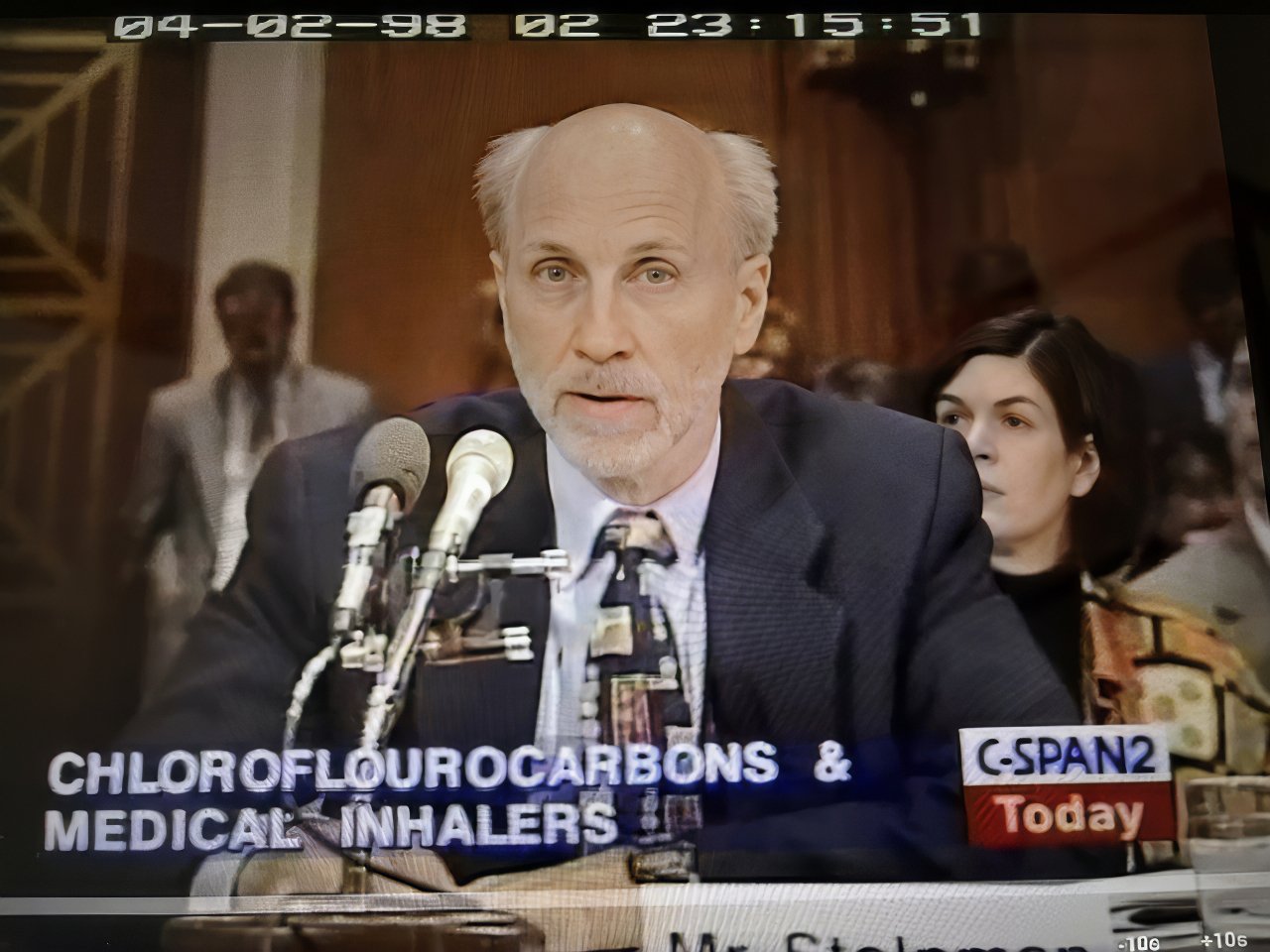
Paul Stolpman testified before Congress on June 25, 1998.
In the late 1980s, Paul took leave from his work at EPA to become Head of the Pollution Control Division at the Organisation for Economic Cooperation and Development in Paris. There he focused on energy and climate issues. In 1991, he said that taxing energy use would be inadequate to the task of mitigating climate change, because the price required to reduce fuel use would be unacceptably high, politically. Paul advocated setting forth “environmental needs clearly from a scientific perspective” and then employing a combination of market and regulatory measures to achieve those objectives.
After returning to EPA from the OECD, Paul directed EPA’s Office of Atmospheric Programs, where he was responsible for an expansive list of programs: climate change, the CFC phaseout, the Energy Star program, and all of EPA’s emissions trading programs. He recalled being in France with Administrator Christie Todd Whitman when she received the news that President George W. Bush had reneged on his commitment to implementing the Kyoto Protocol.
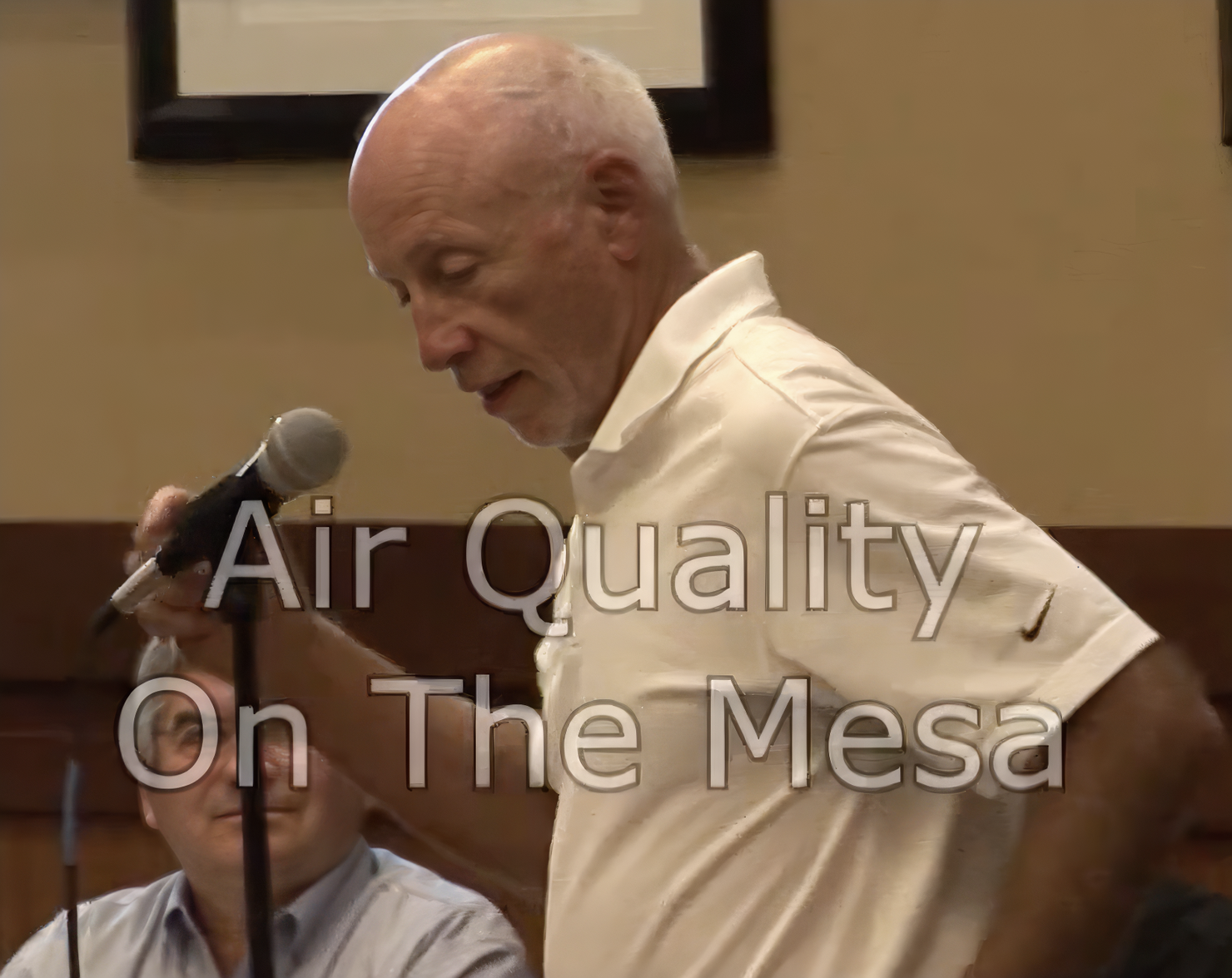
Paul retired from EPA in the early 2000s and moved to coastal California with his wife, Pam, to be closer to their sons. Even in retirement, Paul fought for clean air. He helped convince local officials to reject a rail spur because of diesel air pollution that would exacerbate the area’s unhealthy air quality. In a detailed 2014 public presentation about the impacts of that rail spur, Paul’s sense of humor and relaxed, authoritative presence are on full display.
Paul posed exacting and insightful questions to staff and EPA colleagues, encouraging the best possible analysis. He was fun to work with, and his laughter could be heard down the halls of EPA.
Paul was also a dedicated father and husband. His son Nathan wrote a moving memorial for Paul that refers to his dad’s struggle with Parkinson’s disease.
In these challenging times for EPA, it’s important to acknowledge contributions of public servants like Paul, whose life and career made a huge difference to public health and environmental protection. Paul serves as an inspiring example of a life well lived.
A video of Paul, made in 2012, lets Paul tell his story in his own words.
Carrying on the Legacy of Paul’s Work
Your memorial donation to Resources for the Future will help further Paul’s legacy of improving environmental decisionmaking and outcomes through objective research and policy engagement. All gifts will help carry forward the independent, evidence-based environmental policy work that Paul cared so deeply about throughout his career.
This memorial fund was formed at the suggestion and through the dedicated efforts of Vicki Arroyo and Vivian Thomson, both of whom worked closely with Paul, knew him well, and wanted to honor his legacy in a meaningful and lasting way.