Resilient Energy Economies: 2026 Research Results
Series Overview
Hundreds of communities across the United States depend on coal, oil, and natural gas for jobs and public revenues, raising concerns about their economic volatility and long-term risk as the energy system changes. However, little research exists that identifies how these fossil fuel-dependent communities can become more resilient to economic uncertainty.
Through a series of webinars, the Resilient Energy Economies (REE) initiative—co-led by Resources for the Future (RFF), Columbia University’s Center on Global Energy Policy, the University of Notre Dame, and Montana State University—will share results from a slate of sponsored research projects designed to inform policymaking and economic development strategies in fossil-dependent regions.
Read descriptions of each REE-sponsored research project here.
The webinar series will share findings from REE’s research and discuss implications for federal, tribal, state, and local policymakers, exploring the following themes:
- What are promising strategies for economic growth in fossil-dependent regions?
- What do fossil-dependent communities think about their potential economic future, and how are they planning for that future?
- How are state finances affected when the fossil fuel industry grows or shrinks?
- How are fossil workers and communities experiencing and adapting to transitions in the industry?
- How effective have current or previous policies been in building economic resilience in fossil-dependent regions?
Learn more about the Resilient Energy Economies initiative in this RFF In Focus video.
Events
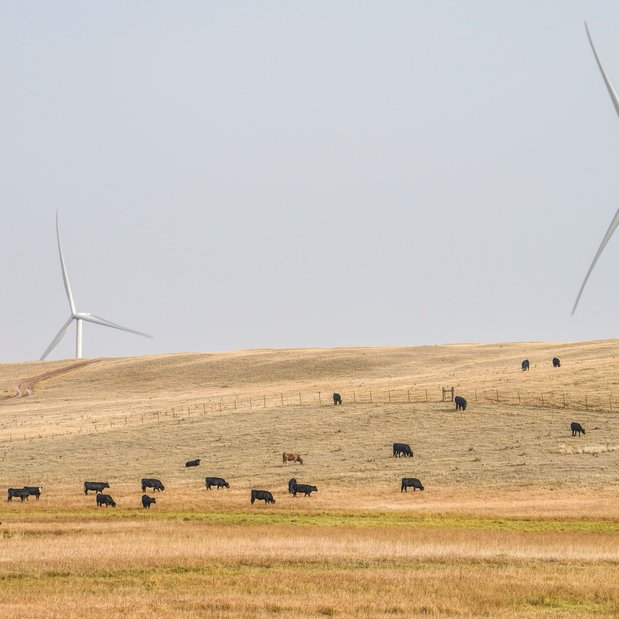
Resilient Energy Economies | How Wyoming and New Mexico are Diversifying Fossil-Dependent Economies
Join RFF on Thursday, April 16, for a webinar discussing the fiscal risks Wyoming and New Mexico face due to economic reliance on fossil fuels, potential growth industries for both states, and effective state policymaking.

Resilient Energy Economies | Local Perspectives on Economic Futures: The View From Oil and Gas Communities
Join RFF on Tuesday, May 19 for a webinar discussing how oil and gas communities think about their economic futures and the potential strategies to increase their economic resilience.
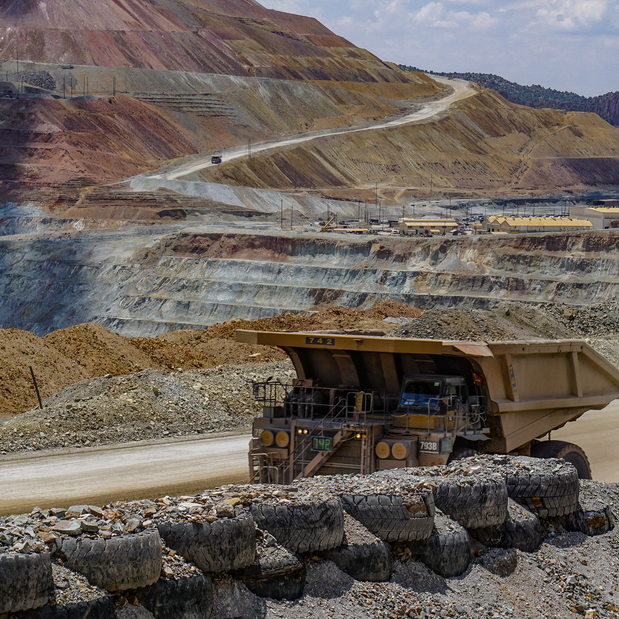
Resilient Energy Economies | Exploring Environmental Cleanup and Critical Minerals as Economic Drivers in Fossil Fuel Communities
Join RFF on Wednesday, June 3 for a webinar discussing how certain economic activities can drive economic growth in fossil-dependent regions, including impacts on existing local businesses and attracting new business.
RFF Research Contacts

Daniel Raimi
Fellow; Director, Communities in the Energy Transition Initiative
Daniel Raimi is a fellow and director of the Communities in the Energy Transition Initiative at RFF. He works on a range of energy policy issues with a focus on tools to enable an equitable energy transition.

Christina Cilento
Manager, Communities in the Energy Transition Initiative
Christina Cilento is the manager of the Equity in the Energy Transition Initiative at Resources for the Future.
