2026 RFF and Harvard SRM Social Science Research Workshop
A research workshop cohosted by Resources for the Future and the Harvard Solar Geoengineering Research Program to explore recent and ongoing social science research on solar radiation modification.
Event Details
Resources for the Future (RFF)’s Solar Geoengineering Research Project and the Harvard Solar Geoengineering Research Program seek to improve understanding of the risks, potential benefits, and other uncertain implications of solar radiation modification (SRM) as one approach among others to help address climate change risk.
As part of these efforts, the cohosts held the 4th annual RFF and Harvard Social Science Research Workshop on Solar Radiation Modification on September 10–11, 2026, at Resources for the Future in Washington, DC.
If you have any questions about the workshop, please contact Tyler Felgenhauer or Kristin Hayes.
Agenda
Thursday, September 10
8:30–9:00 am Breakfast and Registration
9:00–9:15 am Welcome and Introduction
- Billy Pizer, Resources for the Future
- Joe Aldy, Harvard University
10:45–11:15 am Coffee Break
11:15 am–12:45 pm | Research Panel 2: SRM perceptions and decisions
Moderated by Sofia Kabbej, French Institute of International and Strategic Affairs
- Natural variability limits perceptions of stratospheric aerosol injection efficacy on politically relevant timelines
- Marissa Saenger, University of California, San Diego (Slides)
- Resilient Stratospheric Aerosol Injection is Cooperative
- Jared Farley, University of California, San Diego (Slides)
12:45–2:00 pm Lunch and
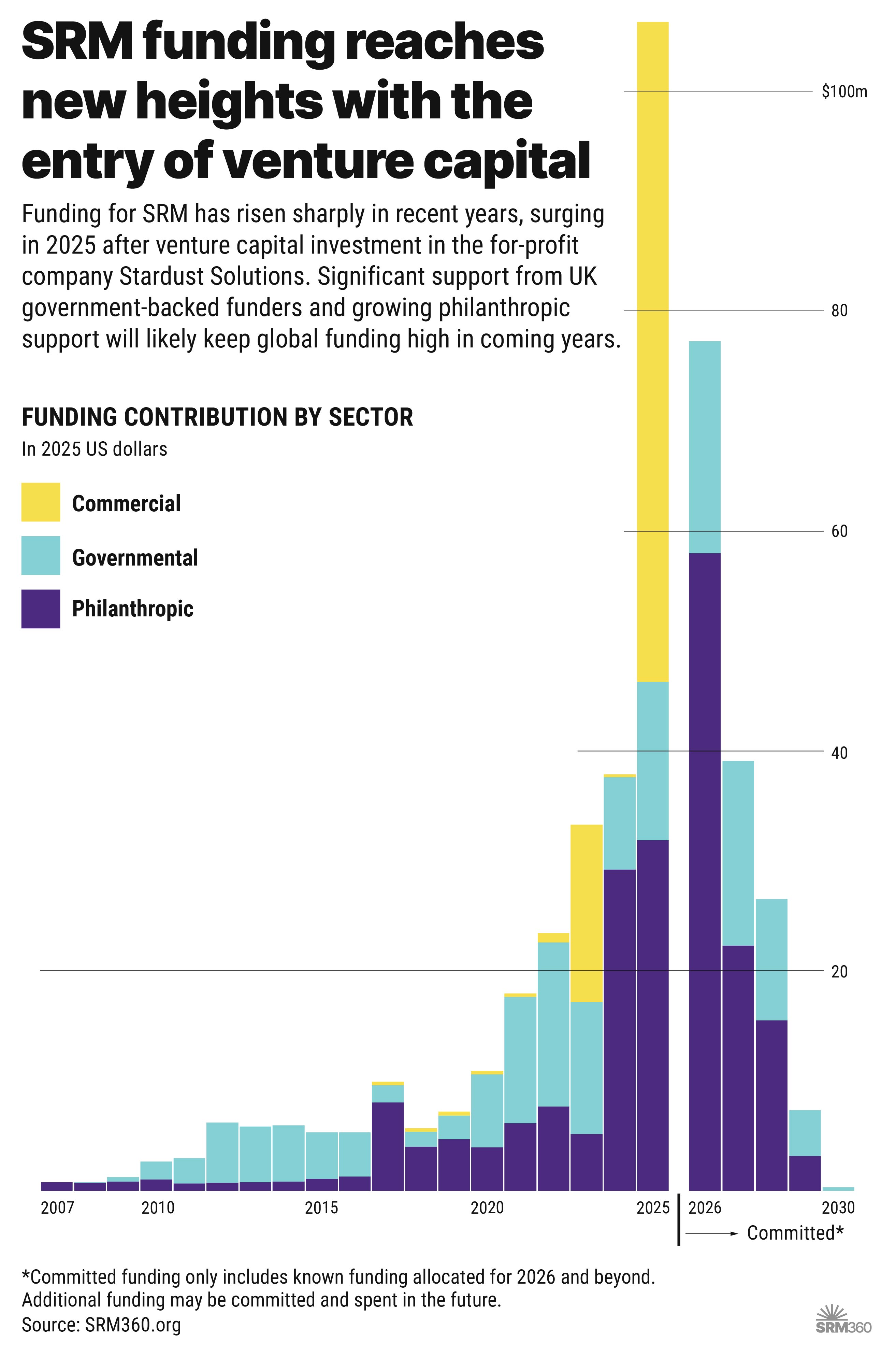
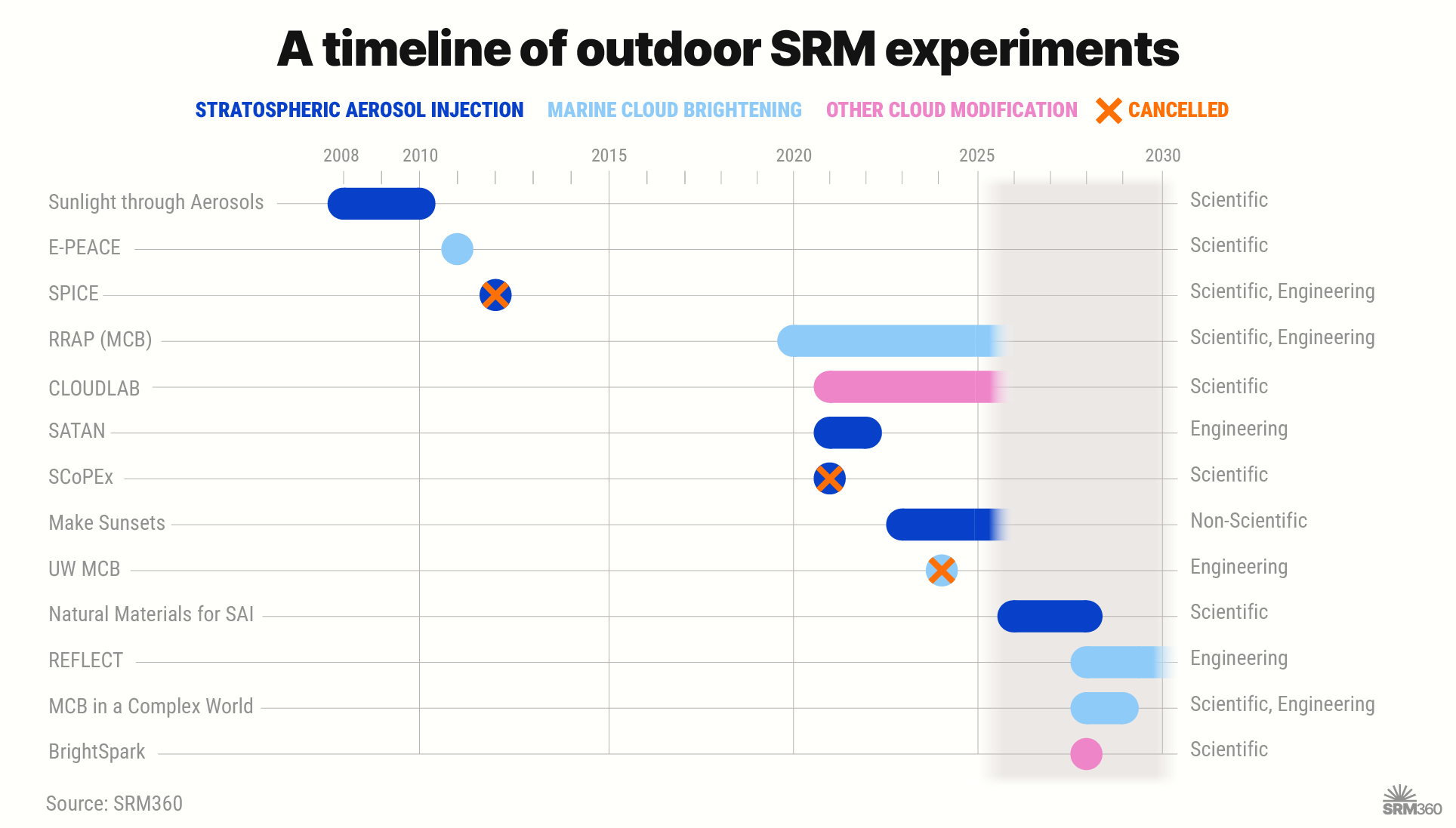
One-on-one interview by Corbin Hiar, POLITICO, with Peter Irvine, SRM360.org on The state of global SRM research funding (Slide 1 | Slide 2)
2:00–3:30 pm | Research Panel 3: New Directions in SRM
Moderated by Massimo Tavoni, RFF-CMCC, European Institute on Economics and the Environment (EIEE) (Italy)
- Solar Geoengineering in the Marketplace: Evidence on Moral Hazard from Consumer Choices
- David McEvoy, Appalachian State University (Slides)
- The Expanding Roles of Global South Countries in Solar Radiation Modification Diplomacy: Indicators, Cases, and Equitable Pathways Forward
- Comparing stratospheric aerosol injection (SAI) and space-based sunshade (SBS) for solar radiation modification (SRM): benefits, risks, costs, timing, governance
- Jonathan Wiener, Duke University (Slides)
3:30–3:45 pm Coffee Break
- ‘A total fantasy?’: Stakeholder perceptions of solar radiation modification research governance
- Kate Sambrook, University of Manchester (Slides)
5:15 pm Day 1 Wrap Up
- Billy Pizer
6:30 pm Conference dinner (for registered attendees)
Friday, September 11
8:30–9:00 am Breakfast and Registration
9:00–10:30 am | The Global State of SRM and New Directions
Moderated by Oliver Morton, The Economist and Degrees Initiative
- Cynthia Scharf, Centre for Future Generations
- Portia Adade Williams, CSIR-Science and Technology Policy Research Institute (Ghana)
- Craig Segall, Climate Hub
- Lisa Dilling, Environmental Defense Fund
10:30–11:00 am Coffee break
11:00 am–12:30 pm | SRM from international relations perspectives
Moderated by Joe Aldy, Harvard University
- Robert Keohane, Princeton University
- Helen Milner, Princeton University
- Daniel Schrag, Harvard University
- David Victor, University of California, San Diego
12:30–2:00 pm | Concluding Lunch, and Global Perspectives
Moderated by Tyler Felgenhauer, Duke University and Resources for the Future
- Dasom Lee, Korea Advanced Institute of Science and Technology
- Muhammad Mumtaz, Fatima Jinnah Women University, Rawalpindi (Pakistan)
- Julia Guivant, Federal University of Santa Catarina (Brazil)
- Temitope Samuel Egbebiyi, Cornell University