Extreme Heat in the United States
This explainer provides an overview of how extreme heat in the United States is changing; how it affects human health, behavior, and the economy; and what can be done to mitigate its adverse effects.
Introduction
As the planet warms, extreme heat events are becoming both more frequent and more intense. The average annual frequency of heat waves across the United States has more than tripled since the 1960s, and very hot days and nights are becoming increasingly common as warming continues.
Extreme heat has a detrimental effect on many aspects of everyday life, including human health, behavior, and the economy. Exposure to heat and vulnerability to its impacts are also not experienced equally—the way heat affects people depends on factors such as where they live; their age and health status; and their access to cooling at home, school, and work.
This explainer provides an overview of how extreme heat in the United States is changing, its consequences, and what can be done to mitigate its adverse effects.
The Changing Landscape of Extreme Heat
There are several ways to define extreme heat, but the severity of a heat event depends on temperature, humidity, and event duration. A heat wave is a continuous period (e.g., two or more days) characterized by conditions that are much hotter than those that historically have occurred in a given location and time of year.
People across the United States are experiencing extremely hot temperatures that are more frequent, intense, and long-lasting than in decades past, and this trend is expected to get worse as the climate continues to warm. The map and plot below use heat wave frequency data from the Weather Variability Explorer (WeaVE) to show how the number of heat waves in each county in the contiguous United States changed over a historic 25-year period. You can toggle between views to see how heat wave frequency is expected to continue to increase through the first half of the century.
Harmful effects from extreme heat can occur even at temperatures or durations that fall short of a heat wave designation. Expected future population movement and growth (which are not shown in the figure below) are also expected to lead to greater exposure to hot temperatures; one study estimates that, due to changing temperatures and population dynamics, residents of the United States will experience four to six times more exposure to days above 95°F degrees by the middle of this century relative to the end of the previous century.
It is important to note that a large increase in the risk of dangerously hot conditions can accompany a relatively modest increase in average temperatures. A shifting temperature distribution causes previously rare temperatures to occur many times more frequently, and the human body’s physiological response to temperature is nonlinear. As a result, increasing the temperature by a few degrees on an already extremely hot day or night (which can disrupt sleep and limit the body’s ability to cool off) can lead to serious health and behavioral responses.
Note: The map and plot above show the increase in the number of heat waves in each county in the contiguous United States between 1990–2015 and 1990–2040 (projected). Five-year averages starting from each indicated year are used to calculate differences (e.g., 1990–2015 is calculated by subtracting the 1990–1994 average from the 2015–2019 average). In the plots, counties are represented by bubbles, with the size of the bubble corresponding to the 2020 county population. Heat waves are defined in WeaVE as periods of two or more consecutive days when the daily minimum temperature exceeds the 85th percentile of historical July and August temperatures for that location. Humidity, which is used to define heat waves by the US Environmental Protection Agency, is not included here. Figure inspiration is from the Guardian.
How Extreme Heat Affects Human Health, Behavior, and the Economy
Extreme heat is the leading weather-related cause of death in the United States. However, the harms of hot temperatures are often less visible than the harms associated with other disasters, and extreme heat risks and preparedness may receive less attention as a result. In addition, even as documented instances of heat-related illness and mortality become more common, the true effects of heat on health may be substantially underestimated in official records because hot temperatures exacerbate conditions like cardiovascular, respiratory, and kidney disease. Evidence also suggests that the detrimental effects of exposure to extreme heat are not limited to physical health; higher temperatures lead to more suicides and emergency department visits for poor mental health, and research has identified problematic interactions between heat and psychiatric medications.
Exposure to hot temperatures also has adverse effects on a variety of non-health outcomes. Workers are less productive on hot days and are substantially more likely to sustain workplace injuries, even in indoor settings. In schools, hot temperatures lead to an increase in student absences, and students who do make it to the classroom on hot days perform worse on tests and are more likely to be reported for a school disciplinary problem, which can translate into a lower chance of attending college and a higher chance of being arrested and incarcerated in early adulthood. Even exposure to hot temperatures in-utero has been shown to reduce adult earnings.
Extreme heat also causes a variety of detrimental behavioral changes in adults. There is a well-documented relationship between hot temperatures and increased crime rates. Violent crime appears to be particularly responsive to heat; one study found that temperatures above 80°F caused a 20 percent increase in violent interactions in Mississippi prisons relative to temperate days. Studies have also documented detrimental effects of hot temperatures on workplace harassment and the maltreatment of young children, underscoring the broad behavioral consequences of extreme heat.
The growing frequency of hot temperatures places an additional burden on households in the form of increased energy costs. According to one estimate, the average cost of cooling a US home was approximately $719 in the summer of 2024, up 9 percent from the previous year and 51 percent from 2014. Increased energy use on hot days also contributes to more frequent and intense “peak load” consumption, or consumption of energy when energy use in the region is already high. These periods of high energy use could exacerbate system-wide affordability concerns and lead to an increase in power sector emissions.
Finally, extreme heat can strain the infrastructure that supports systems like our energy grid and transportation networks. Hot temperatures can also threaten crops and livestock and exacerbate local air pollution and the risk of drought and fire, which themselves pose health and economic challenges.
Who Is Most Affected by Extreme Heat?
The impact of extreme heat on a person depends both on how exposed they are to hot temperatures and how vulnerable they are to the effects of heat.
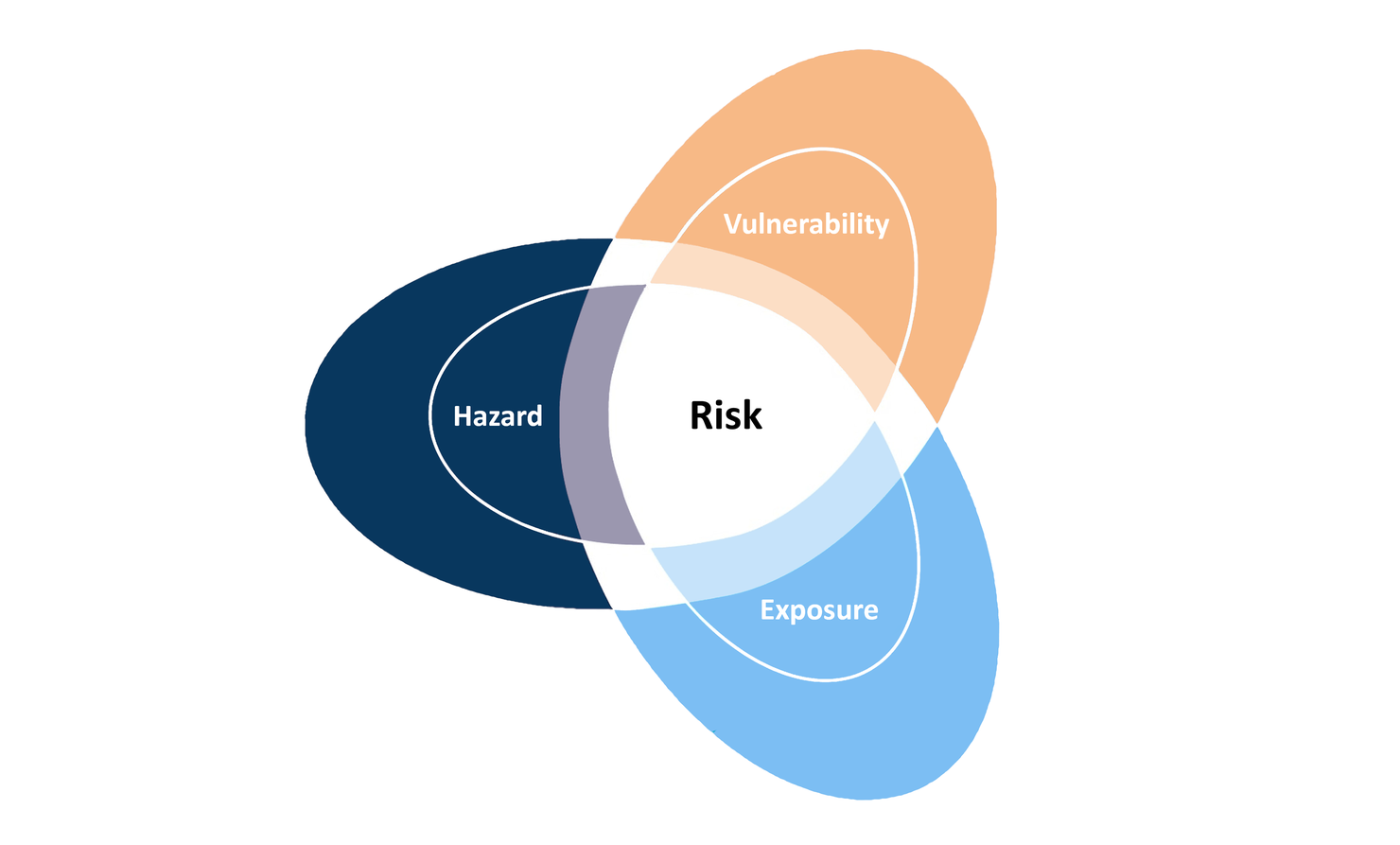
Exposure varies both regionally across the United States and also at highly local levels. As discussed in Urban Heat Islands 101, the local temperature in cities can be 15°F to 20°F higher than surrounding vegetated areas. People living in historically disadvantaged areas, such those affected by redlining, tend to have less tree cover and higher rates of impervious surfaces in their communities—these residents tend to experience hotter temperatures than others living elsewhere in the same city.
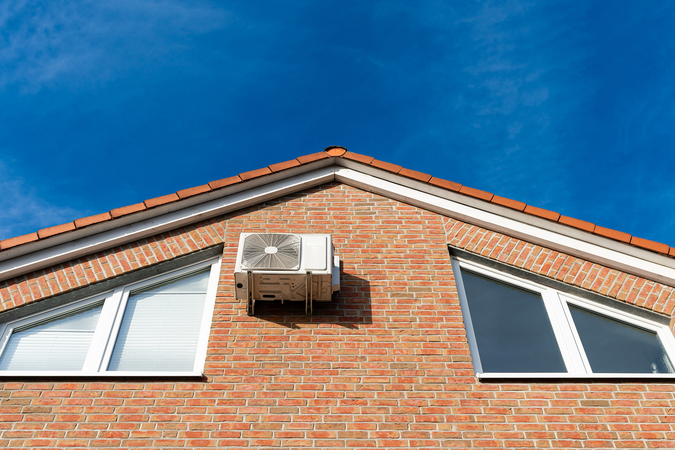
Exposure to hot temperatures depends on access to cooling technology, including air conditioning. Although comprehensive data on air conditioning and other forms of temperature control are not always available, observed heat-related harms tend to be lower in cooled spaces. Access to air conditioning is unequal across populations: access to residential air conditioning tends to be more limited in older buildings and for lower-income households, non-white households, and renters. For those who have access to air conditioning at home, use of air conditioning also differs by income. Evidence suggests that low-income households face a higher risk of utility disconnections from missed payments after hot days and engage in energy-limiting behavior (e.g., turning the thermostat up) that increases exposure to unsafe temperatures.
While there are notable gaps in information about exposure to temperature throughout people’s days, there is evidence that Black, Hispanic, and lower-income students tend to live in hotter areas and have lower access to air conditioning at school and at home than white students. Exposure to hot temperatures also depends on how much time people spend outdoors; some athletes and children and adults who commute or work outside may be particularly affected by extreme heat events.
Exposure to both air pollution and extreme heat may also present larger risks than each hazard poses independently, suggesting that people living in the most polluted areas may be particularly vulnerable to the effects of extreme heat.
Vulnerability to extreme heat is linked to other risks and to historical and structural inequity. The health risk of extreme heat is highest among pregnant people, infants, the elderly, and those with mental illness or chronic conditions. Heat may exacerbate existing disparities in health status by worsening chronic conditions, particularly for people who have limited resources to manage them; there is evidence that the effect of heat on mortality depends in part on access to primary care. Exposure to both air pollution and extreme heat may also present larger risks than each hazard poses independently, suggesting that people living in the most polluted areas may be particularly vulnerable to the effects of extreme heat. This raises a particular challenge because behaviors that reduce exposure to outdoor air pollution (e.g., closing windows) can increase exposure to heat.
Differences in vulnerability to heat-induced cognitive and behavioral changes may also reflect and exacerbate underlying inequality. For example, there is evidence that heat affects the fairness of consequential processes such as court decisions, with US immigration judges making less favorable decisions on hot days. In educational settings, extreme heat may amplify existing disparities due to both differences in exposure and differences in access to external resources, like tutoring, supplemental test preparation, or more extensive career networks that might minimize the long-term harms caused by heat-induced absences, disciplinary events, or reduced attention or learning capacity.
Reducing the Burden of Extreme Heat
There are many ways communities and governments can help protect people from extreme heat. They can reduce exposure by cooling schools and other public buildings, making cooling centers available on extremely hot days, and implementing practices like expanding urban tree cover to reduce the urban heat island effect. One key challenge that decisionmakers face is the lack of comprehensive information about air conditioning, which is the primary way that people protect themselves from hot conditions. Limited data on penetration and use in homes, schools, public buildings, and places of work makes it harder to identify at-risk populations and design effective adaptation measures.
Some states have also implemented standards to protect workers from heat exposure, and policies such as utility shut-off moratoriums and bill assistance programs may reduce energy-limiting behavior that exposes low-income populations to unsafe temperatures. Extreme heat preparedness and response initiatives can also reduce detrimental impacts by increasing awareness of risks and mitigation strategies for susceptible groups. However, while accurate, specific, and easily available information is critical to reducing harm and improving planning for extreme heat events, there is little evidence about the effectiveness of many prominent heat-risk reduction strategies, including cooling centers, and making options like cooling centers available does not mean that people will use them. Well-designed systematic evaluations can help to fill evidence gaps and identify the benefits and drawbacks of different approaches. Understanding what works, why, and in what contexts can support better decisionmaking.
Extreme heat poses a substantial threat to health, safety, and wellbeing, so it is important that our understanding of risks, and the policies designed to mitigate them, evolve with rising temperatures. Recognizing the interconnected nature of environmental risks and existing sources of inequality is essential to designing effective environmental and social policies to address this rising threat.