Date
July 5, 2006
Authors
Allen Blackman, Beatriz Ávalos-Sartorio, Jeffrey Chow, and Francisco Aguilar
Publication
Reading time
Allen Blackman
Nonresident Fellow
Allen Blackman is a nonresident fellow at RFF. His work on industrial pollution control analyzes public disclosure programs, economic incentive instruments, and voluntary regulation.
Beatriz Ávalos-Sartorio
Jeffrey Chow
Francisco Aguilar
The Wildfire Emissions Protection Act May Have Unintended Consequences
A proposed bill could encourage the use of prescribed fire in the Western United States—but could degrade air quality elsewhere in the country.
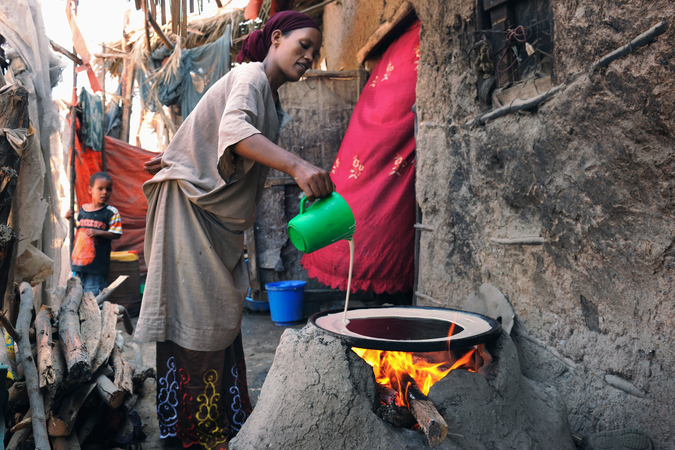
How Much Does Clean Cooking Reduce Emissions?, with Susanna Berkouwer
Susanna Berkouwer shares the results of their research on charcoal-burning cookstoves, which explores whether alternatives to high charcoal consumption can reduce both the cost of energy for low-income consumers and the negative environmental impacts.
The Conservation Reserve Program and Rural Communities in the United States
The Conservation Reserve Program has observers unsure about whether it’s a boon or a bust for communities. Resources for the Future scholars report their findings: the program advances land conservation without broadly harming rural economies.
The Value of Wetlands in Reducing Riverine Flood Losses
Wetlands play a vital role in reducing flood risk, yet they are vanishing from the American landscape at a growing rate. A new study finds that wetland loss has significantly increased insurance payouts that help communities recover after floods.
We use cookies to provide you with a better service. Carry on browsing if you're happy with this, or find out more.