Sea Level Rise and Coastal Infrastructure: The Tradeoff Between Protection and Exposure
This paper examines how communities balance adaptation infrastructure investments to address current problems without inducing future development in high-risk areas, focusing on public sewer expansion to address exposure of private septic systems to sea level rise.
Abstract
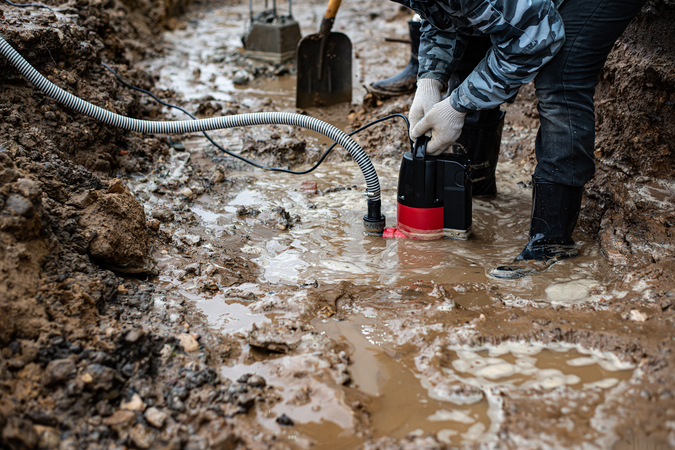
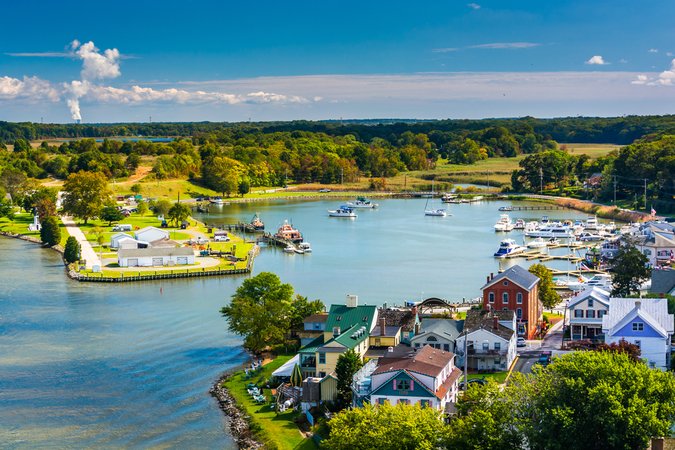
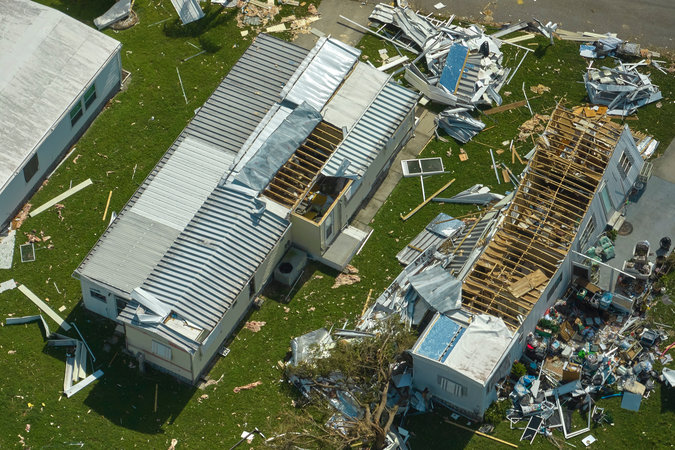
With increasing threats from sea level rise (SLR) and hurricanes, state and local governments in coastal areas face difficult adaptation decisions about infrastructure. Should they continue to build and maintain infrastructure to keep communities viable or forgo those expenditures and instead facilitate a managed retreat? We examine these questions in the context of sewer expansion to address the increasing risk of failure of onsite waste disposal (septic) systems, in the face of SLR. Using a spatial discontinuity design around the boundary of sewer service areas, we find that properties with sewer access are 30 percent higher in value per acre of lot size than those on septic, indicating a strong preference for extending sewer access as a solution to problems of failing septic systems. However, we also show that sewer access induces more development exposed to flooding and SLR. These findings highlight an important adaptation challenge for local policymakers: reducing the impacts of climate change on existing residents while not worsening exposure to risk in the future.